Solar ovens & cooking
Solar cooking food safety: measure the food, not the sky
Build a complete plan for preparation, verified cooking, changing conditions, hot holding, and leftovers.
6 min read
Reading on independent energy systems, battery reserves, interrupted cooking sessions, and shared-site priorities.
An off-grid plan needs an explicit boundary around the service it intends to provide. A brief interruption, an evening operating session, and several days of low production are different requirements. These guides help separate optional work from essential loads and identify when a backup method or an orderly shutdown is appropriate. The cooking articles add a second perspective: food handling cannot depend on waiting indefinitely for favorable weather. Use the collection to define the operating window before choosing additional equipment.
05 FIELD NOTES IN THIS COLLECTION
Build a complete plan for preparation, verified cooking, changing conditions, hot holding, and leftovers.
Start with your electrical load, operating window, and shutdown plan—not a promise of mining income.
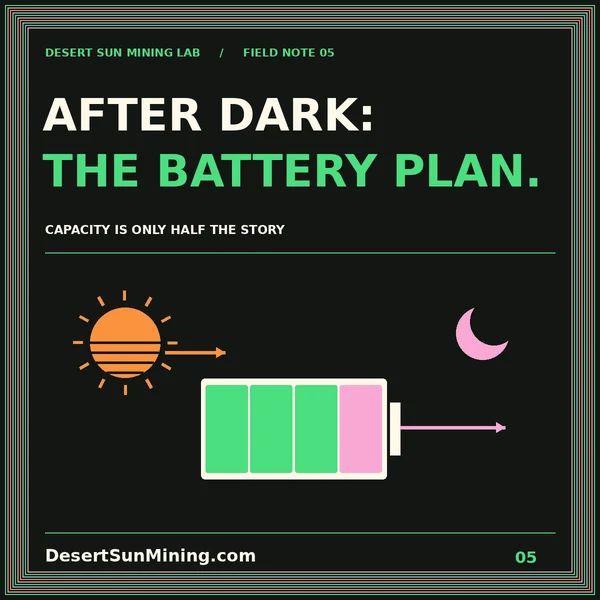
Work through usable energy, power limits, recharge windows, and the point at which optional mining should stop.
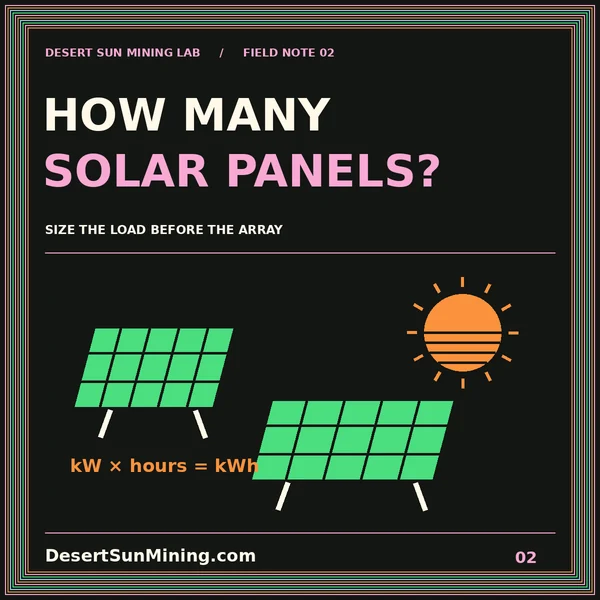
A transparent sizing example that separates daily energy, hourly output, and the capacity your equipment actually needs.
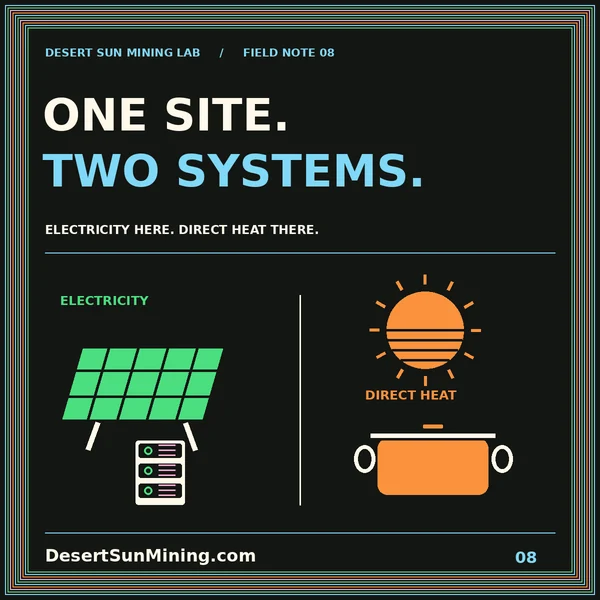
Explore a shared-energy concept while keeping electrical loads, direct heat, food handling, and site priorities distinct.