LATEST FIELD NOTE
Solar AI GPU compute is not Bitcoin mining
Different workloads need different hardware. Define useful output, measure wall power, and test recovery before scaling.
Read the field noteSolar power, real workloads, useful heat. Read the guides that connect an interesting idea with a better operating plan.
Each field note takes one practical question and follows it through assumptions, limitations, and a useful next step. Start with a topic you know, or use the category pages to build a reading route across power, computing, cooking, and coffee.
Different workloads need different hardware. Define useful output, measure wall power, and test recovery before scaling.
Read the field noteBuild a complete plan for preparation, verified cooking, changing conditions, hot holding, and leftovers.
Start with your electrical load, operating window, and shutdown plan—not a promise of mining income.
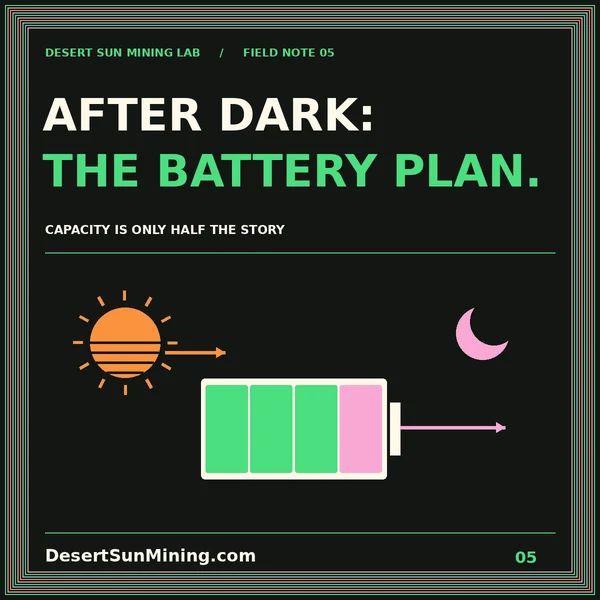
Work through usable energy, power limits, recharge windows, and the point at which optional mining should stop.
Plan airflow, safe cleaning, maintenance records, and hot-day shutdown rules before the first interruption.
A transparent sizing example that separates daily energy, hourly output, and the capacity your equipment actually needs.
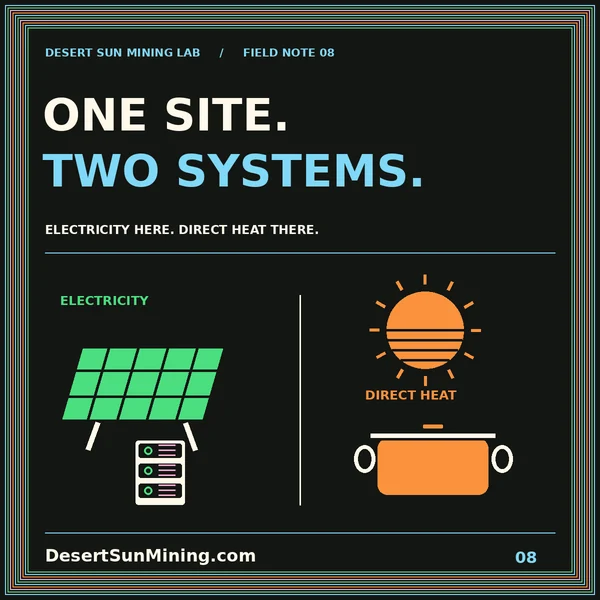
Explore a shared-energy concept while keeping electrical loads, direct heat, food handling, and site priorities distinct.
Match a cooker to your meals, cookware, site, and available attention—not just its advertised peak temperature.
Ask for documented capability, a complete system price, relevant demonstrations, and a practical service plan.
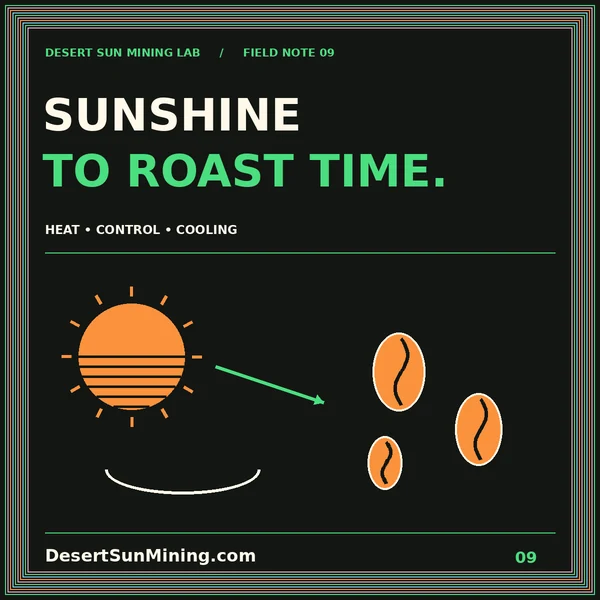
Follow the heat path, log your process, and include cooling and auxiliary power in a realistic roasting trial.
Send a topic suggestion, a source, or a correction to the Mining Lab.